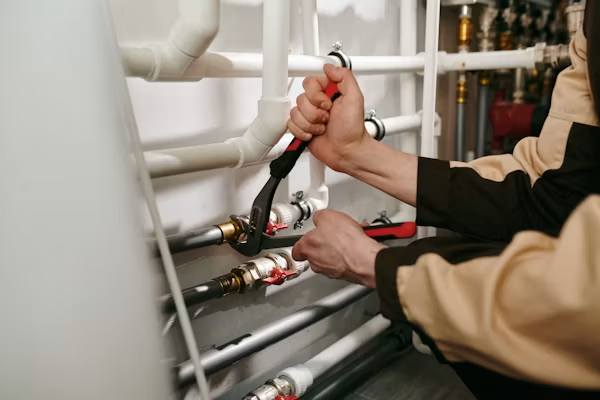
Soft water is becoming an important consideration in home maintenance as households notice long-term changes in plumbing performance. Hard water introduces minerals that slowly settle inside pipes and appliances. Soft water helps reduce this buildup and supports more stable water movement, improving overall system reliability across daily household use.
Mineral Buildup Quietly Affecting Home Systems
Hidden Scaling Inside Everyday Fixtures: Hard water leaves mineral deposits that slowly accumulate inside pipes, faucets, and appliances. These deposits restrict flow and reduce efficiency over time. Soft water helps minimize this scaling, keeping internal surfaces cleaner and supporting more consistent water pressure throughout the home without sudden performance changes.
System Strain That Develops Gradually: Hard water gradually reduces plumbing efficiency, causing mineral buildup that strains appliances and increases maintenance needs. A professional plumber can recommend and install the right tankless water heater for your home’s water conditions, delivering consistent hot water, improved energy efficiency, and reduced scale-related issues through the right system selection and expert installation.
Heating Systems Under Constant Water Pressure
Energy Demand Increasing Over Time: Mineral buildup inside heating systems forces them to work harder to maintain steady output. This leads to gradual energy loss and inconsistent heating performance in daily household usage.
Component Wear From Internal Scaling: Continuous exposure to hard water accelerates wear in valves, pipes, and heating elements. This creates uneven stress across internal parts, reducing system lifespan and increasing service requirements over time.
Stability Driven by Cleaner Water Flow
Balanced Water Supporting System Performance: A stable plumbing system depends heavily on water quality. Cleaner water reduces internal resistance, supports steady pressure, and allows appliances to function without unnecessary strain. This improves overall system consistency and reduces unpredictable disruptions in daily water use.
Internal Protection Against Long-Term Damage: Hard water creates buildup that slowly damages internal pipe surfaces. Over time, this reduces efficiency and increases the likelihood of blockages forming inside hidden sections of the system. It also places extra strain on connected fixtures during continuous usage cycles.
Effects of Hard Water on Plumbing System Performance:
The effects of hard water on plumbing system performance include reduced flow efficiency and increased internal resistance.
- Pipe narrowing caused by mineral scaling
- Reduced valve efficiency during regular operation
- Uneven pressure distribution across plumbing lines
These effects gradually reduce system reliability and increase maintenance demands across residential environments.
Better Water Supporting Long-Term Home Efficiency
Reduced Stress Across Household Fixtures: Soft water reduces mineral buildup inside appliances and fixtures. Soft water helps maintain cleaner internal surfaces, allowing smoother water movement and reducing strain on system components during everyday use across kitchens, bathrooms, and utility areas.
More Predictable Maintenance Patterns: Homes with improved water conditions experience fewer sudden plumbing issues. System behavior becomes more stable, allowing maintenance needs to be planned more easily instead of reacting to unexpected breakdowns or performance drops.
Stronger Plumbing Performance Through Water Awareness
A reliable plumbing system depends on controlling the gradual damage caused by hard water buildup. Improved water quality keeps internal flow stable, extends component lifespan, and enhances efficiency. Addressing water quality issues reduces repair needs and improves system durability. Contact us today to improve your home’s plumbing performance and protect your water system for the long run.
