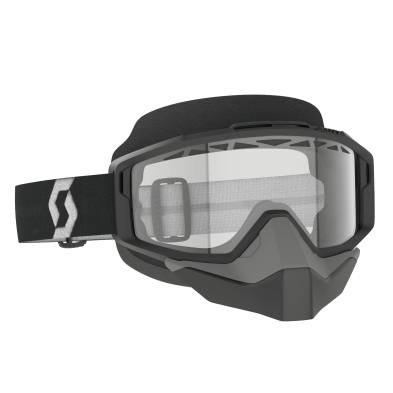
Ask ten riders what lens tint they run and you get ten answers. That is not stubbornness. Conditions across the country swing hard between morning fog, flat grey clouds and hard afternoon glare. Anyone shopping for moto goggles in Canada ends up choosing for the weather they actually ride in, not the catalogue photo.
Light Changes Faster than Riders Do
Reading the Sky before the Trail: A clear lens saves a dawn ride and ruins a bright one. Riders comparing moto goggles in Canada usually start with a tint, since spring sun off snow behaves nothing like a shaded summer trail. Amber lifts contrast on dull days. Dark grey or mirrored tints suit open ground under strong sun, and the difference shows up fast.
Cockpit Setup Feeds the Same Decision: Weather apps only help if the screen stays readable at speed. Riders fitting phone mounts in Canada deal with cold fingers, corrugated trails and glare on the display, which is the same problem lens choice solves higher up. Vibration damping matters. So does a mount that grips through frost without slipping half a turn. That gets old quickly.
Fit Problems Show Up First
Foam Fails Quietly Every Season: Foam that has gone flat lets cold air in and warm breath up. That is where fogging starts. Manufacturers publish light transmission figures for a reason, and the number tells you how much of the day a lens can handle. Triple layer foam holds shape longer. Cheap single layer packs down within a season.
Helmet Match Decides the Seal: Helmet compatibility rarely gets checked until the strap sits wrong. Shoppers looking at moto goggles in Canada should test the frame against the helmet they own, because a gap at the brow means wind, snow and grit find their way in. Outriggers help wide frames sit flush on smaller shells. Small check, big difference later.
Spare Lenses Earn Their Keep
One Frame and Three Lenses: One goggle with three lenses beats three goggles. Swapping takes under a minute on most modern frames, and the spare rides flat in a pack. Impact resistance varies between lens materials, so polycarbonate stays the sensible pick for anything thrown up by the bike ahead. Tear-offs and roll-offs cover mud days.
Cold Weather Tests Every Fitting: Cold weather punishes anything with adhesive or plastic clamps. Riders buying phone mounts in Canada get better results from metal cradles with damping, since brittle plastic gives up around minus twenty. Same logic applies to goggle straps that lose grip once silicone hardens. Check both before the first proper freeze. Cold does not negotiate.
- Clear or lightly tinted lenses for dawn starts, night riding and heavy cloud cover
- Amber or rose tints when flat light hides ruts and edges
- Dark grey or mirrored lenses for open sun and spring snow glare
- Keep one spare in the pack. Always.
- Replace foam once it stops springing back under a thumb press
Sharper Vision on Every Ride Ahead
Conditions decide the setup, not the price tag. Riders who match tint to light, foam to helmet and mount to temperature spend less time squinting and more time riding. Check the lens against the trails you actually ride, then browse the goggle and lens options available before the season shifts again.
