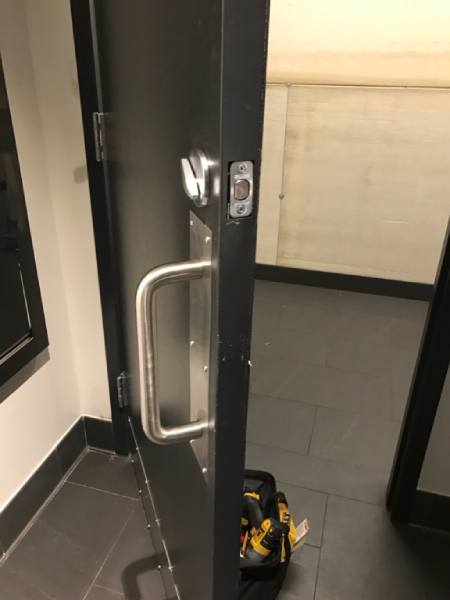
Most people picture a locksmith in Arlington VA arriving as a rescue mission personified after a key snaps or a door slams shut behind someone. That covers maybe half the work. The rest arrives quietly. Worn cylinders, doors that stopped latching properly, tenants who moved out with copies of keys that nobody tracked. None of those are emergencies, but all of them need attention sooner rather than later.
What Actually Brings Someone to the Door
Hardware That Fails Slowly: A locksmith in Arlington VA spends plenty of time on locks that still open, just barely. Sticking bolts, keys that need jiggling, deadbolts that catch on the frame are issues that need to be addressed. Those are early signs of warnings. Ignoring them usually ends with a broken key inside a cylinder on a cold night, which costs far more than a scheduled repair would have. Timing matters here.
Rekeying Versus Replacement: Changing the lock and changing the key are two different jobs. Rekeying alters the internal pins so old keys stop working, and the existing hardware stays right where it is. Replacement makes sense when the lock is damaged, outdated or too weak for the door it sits in. Cost separates the two procedures.
Inside the Cylinder and Around the Frame
What Sits Inside the Cylinder: Most residential locks run on a pin tumbler mechanism, a stack of small pins that line up only for the correct cut. Dust, age and forced turns push those pins out of true. A lock that grinds is telling on itself long before it quits. Repair often beats replacement at that stage.
Doors Fail More Than Locks Do: Plenty of calls trace back to the frame rather than the lock. Poor strike plate alignment forces the bolt to scrape every time, and the door sags a little further each season. Swapping the lock fixes nothing there. Anyone quoting a new deadbolt first is guessing at the problem.
Homes, Storefronts and Ignitions
Three Service Lines, One Set of Skills: Residential, commercial and automotive work barely overlap. A locksmith in Arlington VA handling a storefront panic bar is solving something different from an ignition that will not turn. Homes need privacy and deterrence. Businesses need access control and a record of who holds what. Cars need transponder coding.
Signs Worth Acting On: Small faults show up long before a lock dies off. Most get ignored because the door still opens. That habit turns a twenty minute repair into a callout at midnight, which nobody enjoys paying for. A few warnings deserve a phone call the same week they appear, not the same month.
- A key that only turns when lifted slightly or pressed toward the frame
- Loose handles and rattling escutcheons
- Bolt marks scraped into the strike plate
- Locks nobody changed after a move, a breakup or a contractor finishing up
- Car keys with worn cuts. Those fail all at once.
Locks That Work Before Trouble Starts
Locks reward attention paid early. A quick inspection of every exterior door, a rekey after the last tenant left, a repaired latch before winter swells the frame. Book a security check for the property, ask what each lock is actually rated for, and get the weak ones handled while the choice still belongs to the owner.
