Most nerve problems do not announce themselves loudly. They creep in as a faint tingle, an odd ache, a hand that fumbles a cup. People shrug these moments off for months. A nerve specialist doctor called a neurologist studies these early clues, because catching them sooner often changes everything that follows.
The Quiet Signals Your Body Sends First
Small Symptoms That Carry Big Warnings: Numbness in the feet, a tremor in one finger, sudden dizziness on standing. These look harmless, yet each can mark a deeper condition forming underneath. A skilled nerve specialist doctor called to assess them reads the pattern clearly. Their trained eye turns vague worry into a precise, treatable answer for the patient.
Where Subtle Clues Get Proper Attention: Family doctors handle a great deal, but tangled nerve symptoms often need sharper tools to unpick. Well-equipped hospitals in Ranchi offer the scans, nerve tests, and specialist review that pin down a true cause. Reaching that level of assessment early can spare a patient months of confusion and slow, creeping decline.
Naming the Disorders That Hide in Plain Sight
Reading the Nerves With Precision: Peripheral neuropathy, sciatica, and nerve compression share one frustrating trait: their pain wanders and misleads the patient. To find the true source, doctors often rely on electromyography testing, which measures the electrical life inside muscles and nerves. The results map damage that no physical exam alone could ever locate with such certainty.
Knowing When Specialists Help Matters: Epilepsy, multiple sclerosis, and Parkinson’s disease behave differently, often striking balance, memory, or muscle control without warning. A nerve specialist doctor called in early can separate a passing scare from a lasting illness. That timely judgement shapes which treatments stay open and how well daily function holds up over the years ahead.
Pictures and Patterns That Catch Trouble Early
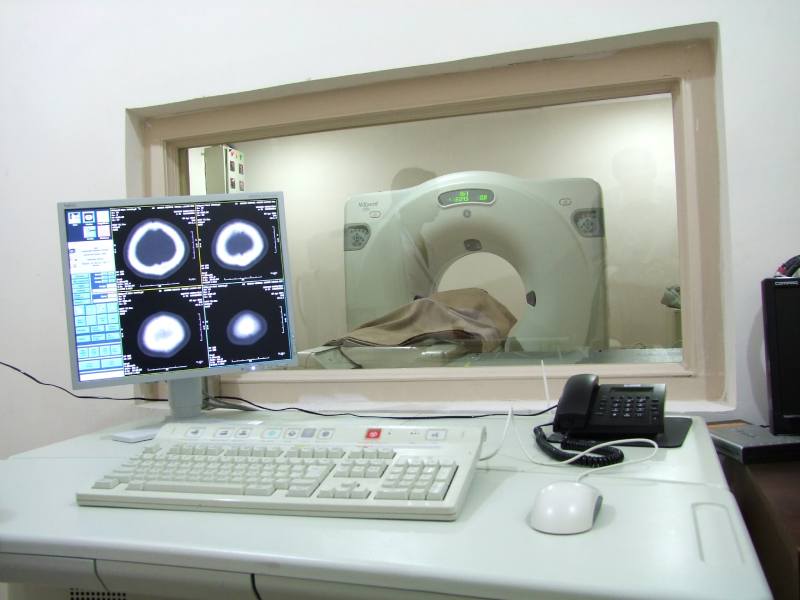
Seeing the Hidden Damage Clearly: Some conditions hide deep in the brain or spinal cord, far from any reaching hand. Detailed magnetic resonance imaging captures these regions in sharp slices, exposing inflammation, lesions, or pressure on delicate tissue. With those images, a specialist can confirm suspicions and design treatment around the real fault, not a hopeful guess.
Acting Before Small Issues Grow: Waiting rarely helps a damaged nerve, and lost time can quietly close treatment doors. Patients who reach trusted hospitals in Ranchi at the first odd symptom give doctors room to act while repair is still possible. Early action protects mobility, coordination, and the simple independence most people quietly take for granted.
Signs Worth Stopping For, Not Skipping Past
Warning Signs You Should Never Brush Aside: Certain symptoms deserve more than a wait-and-see shrug, because they often signal nerve trouble taking hold. Knowing them gives a patient the upper hand long before serious damage sets in. Watch closely for the following changes, and treat them as reasons to seek a proper check rather than simply ignore them.
- Tingling or numbness that spreads from the hands or feet
- Muscle weakness that makes stairs or grips suddenly harder
- Tremors, twitching, or shaking you cannot control
- Frequent dizziness, poor balance, or unexplained falls
- Memory lapses, confusion, or slurred, hesitant speech
Trusting What Your Body Tells You: One stray symptom may mean nothing at all. Several together, or one that lingers stubbornly, deserve a closer look from someone trained to find the cause. Nobody knows your body better than you do, so trust that instinct. A quick check today beats a long, anxious wait wondering what went wrong.
Staying One Step Ahead of Nerve Trouble
Nerve disorders rarely arrive overnight, which is exactly why early attention matters so much. Listen to the small signals, learn the warning signs, and act before they steal your freedom of movement. Book an assessment with a qualified neurology team soon, and give your nerves the expert care they quietly need.
