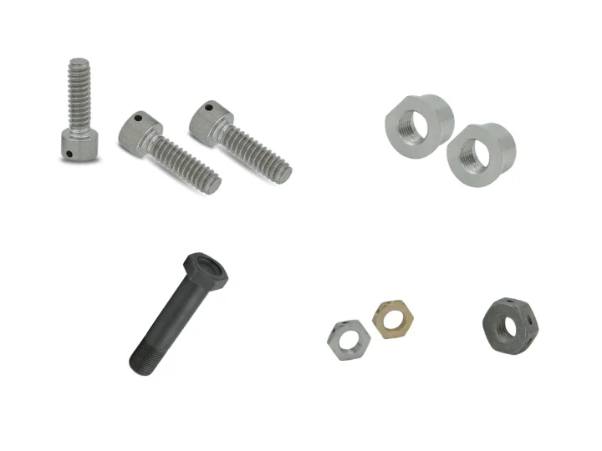
Vehicle and airframe programmes now mix aluminium with high-strength steel to cut weight. Those materials behave differently under load, and the bolted joints between them absorb the difference. The choice of fasteners supplier matters more in this situation, since a joint that loses its grip cancels out the weight saving that justified the design.
Lighter Metal, Harder Questions
Grip That Survives Thin Sheet: Thin aluminium panels and high-strength steel sections give a fastener far less material to bite into. An experienced fasteners supplier matches thread form, head geometry and bearing area to that reduced section, so clamp load stays where the designer wanted it. The weight saving then survives the first winter.
Standards Borrowed from the Air: Aerospace practice arrived in automotive engineering years ago and stayed. An aerospace fasteners supplier brings controlled preload, tight dimensional tolerances and documented material traceability to programmes where a chassis bracket now carries loads once handled by a much thicker pressing. Few engineers complain about paperwork after a field failure.
When Two Metals Refuse to Get Along
Two Metals, One Bad Reaction: Put a steel bolt through an aluminium bracket and add road salt. What follows is galvanic corrosion, working quietly at the interface until the joint loses section and preloads together. Coating choice, isolating washers and sealed assembly methods keep that reaction slow enough to stay irrelevant across a long service life.
Heat Cycles That Loosen Everything: Aluminium and steel move at different rates when a powertrain heats and cools. That difference in thermal expansion cycles the joint hundreds of times a day, and embedded coatings settle under the pressure. Preload drifts downward. Left unchecked, the bolt carries shear it was never sized to take, and cracks start at the thread root.
Specification Work That Pays for Itself
Specification before Prototype Build: Most of this gets decided long before tooling. A fasteners supplier brought in during concept work can propose flow drill screws, weld studs or blind rivet nuts while the panel layout is still flexible. Later on the options narrow, and the fix costs far more. Perhaps that sounds obvious, yet programmes still leave it late.
Details Worth Locking Down Early:
- Sheet thickness and stack-up at every fastened location
- Coating compatibility between fastener, panel and sealant
- Torque and angle windows the line can actually hold
- Tool access, not just clearance for the bolt
- Rework method if a joint fails inspection
Testing That Mirrors Real Service: Testing is where confidence comes from. An aerospace fasteners supplier will run salt spray, vibration and cyclic load trials on the actual joint stack rather than a coupon, because thin-walled aluminium behaves nothing like a test block. Results from real geometry surprise people. Better surprised in a lab than in the field.
Lighter Structures That Hold Their Grip
Lightweighting only pays off if the joints keep their preload for the life of the vehicle. That takes material selection, coating discipline and honest testing, agreed early and documented properly. Engineering and procurement teams working on a lightweight programme can share drawings and stack-up details with the technical team for a joint level review.
