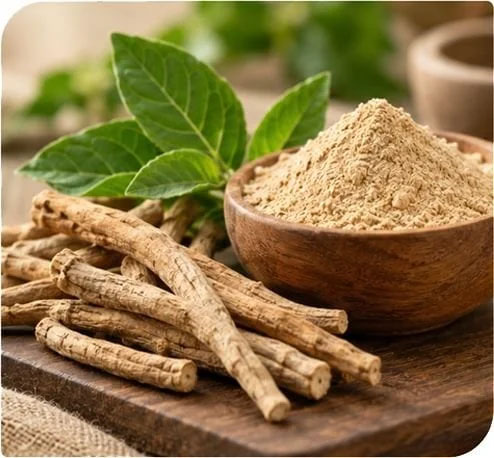
Nutraceutical brands depend on botanical inputs that behave the same way in every production run. Careful root selection and controlled extraction set the base. Batch testing and clear supplier paperwork then protect a formula’s commercial value across years of reorders.
A capsule that passed every pilot test can still drift by the third full-scale batch, and the cause usually sits in the raw material. Nobody enjoys explaining that to a brand owner. Developers who source ashwagandha extract standardised to a set withanolide level can repeat a formula with confidence, harvest after harvest.
What a Drifting Batch Really Costs a Nutraceutical Brand
Label Claims That Match the Lab: Every capsule label states an exact amount of extract, and many brands also print a withanolide figure that auditors can check. A well-made ashwagandha extract arrives standardised anywhere from 1.5% to 10% withanolides, set to the buyer’s specification. That agreed number keeps fill weight and label wording steady through years of reorders.
One Supplier for Two Product Lines: Plenty of brands sell an ashwagandha capsule beside an aloe drink, and two suppliers double every quality review. The aloe vera extract from the same manufacturer is spray-dried from inner leaf gel at 100:1 or 200:1 strength, with aloin held to low levels suited to oral products. One supplier audit covers both lines.
Where Raw Roots Become a Reliable Withanolide Specification
Root Selection and Extraction Controls: Withanolide levels in Withania somnifera root shift with plant age and growing conditions, so incoming roots need identity checks before extraction. Solvent ratio and drying temperature then decide how much of that chemistry survives. Facilities working under Good Manufacturing Practice log these settings for each batch, letting auditors trace any drum back to its controls.
Lab Checks on Every Drum: A specification sheet carries real weight only once a laboratory confirms the numbers on it. An in-house team checks the withanolide figure on each batch and screens for heavy metals before the ashwagandha extract goes into 25 kg food-grade HDPE drums. Samples skip the courier van to an outside lab, so release decisions come faster.
Bulk Supply Paperwork That Survives a Procurement Audit
Documents That Settle Questions Early: Procurement managers lose weeks when a shipment lands without the right papers and the goods sit in quarantine. A certificate of analysis should travel with every batch, listing the tested withanolide value next to the agreed limit. Before you sign a long-term supply contract, ask the supplier for a few more answers in writing:
- Scope of each certificate, including whether it covers the extraction unit
- Current FSSAI and ISO 22000:2018 validity dates
- Which grade suits your line, water-soluble or conventional
- A monthly volume the plant can commit to for years
Capacity Built for Multi-Year Contracts: A supplier that runs out of root halfway through a contract can stall a launch for a season. A manufacturer with modern extraction and spray-drying machinery plans capacity around long agreements, and every batch passes through its testing lab. If you add aloe vera extract to the same consignment, that lab reports its ratio and aloin figures too.
The Next Launch Starts with a Batch You Can Repeat
Brands that never have to reformulate can spend their time on new markets instead. That freedom depends on a supplier whose numbers hold from the first drum to the fiftieth. Share your target withanolide percentage and expected yearly volume with the team behind these extracts, and ask for a sample plan with full test documentation.
