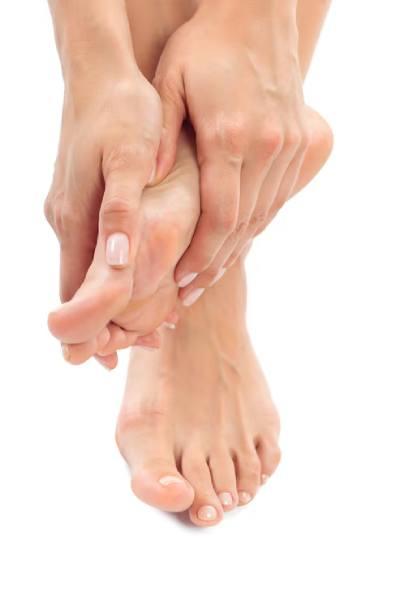
Most people ignore a sore spot on the foot until the day a favorite pair of shoes stops fitting. That is usually the tipping point. A corn on a big toe joint that leans starts as a minor annoyance, then it changes how you walk, and the limp shifts pressure to the knee and hip. Podiatrists see this pattern constantly, and the patients who wait the longest are almost always the ones undergoing the most extensive procedures.
Why Corn Removal Fails Without a Cause Check
It feels productive to file the corn. It comes back anyway, usually within weeks, because the hardened skin is a symptom rather than the actual problem. Something is rubbing against the corn, and that something is often a bone sitting slightly out of position. Proper corn treatment in Houston starts with finding the pressure source before touching the skin at all. Drugstore pads and acid patches skip that step entirely, and in people with diabetes or poor circulation, they can turn a callus into an open wound that refuses to close.
When Bunion Surgery in Houston Becomes the Sensible Choice
Wider shoes and spacers buy time. They do not move the bone back in place. A bunion is a joint drifting out of alignment, and drift continues quietly for years until the second toe gets shoved sideways and arthritis settles into the joint. Patients who opt for bunion surgery in Houston after conservative care generally choose to do so because the pain has started rewriting their day, cutting walks short and ruling out anything with a normal toe box. Waiting does not preserve the joint. It usually costs you a simpler operation.
What Actually Happens In The Office
Treatment for a stubborn corn typically begins with sterile debridement, meaning the thickened tissue gets carefully pared back under proper conditions rather than sawed off in a bathroom. Relief is immediate, though the visit does not end there. The podiatrist looks at gait, footwear, and toe position, since leaving the mechanical cause untouched guarantees a repeat appointment in a month or two.
Correcting The Bone, Not Just The Bump
Surgical bunion correction often involves a metatarsal osteotomy, a controlled cut that repositions the long bone behind the big toe and holds it in the corrected line with small fixation hardware. Recovery asks for patience, perhaps more than most patients expect going in. The trade is a joint that tracks properly again, and shoes that fit without a fight.
Signs Worth Taking Seriously
- Pain that lingers after you take the shoes off
- A corn or callus that returns within weeks of removal
- Redness, warmth, or any drainage around a pressure point
- A big toe that visibly leans toward the second toe
- Numbness or tingling anywhere in the foot
- Any foot change at all if you have diabetes
Feet absorb thousands of pounds of load every day, and they rarely get the benefit of the doubt. Book the evaluation while the problem is still small enough to fix without hardware.
