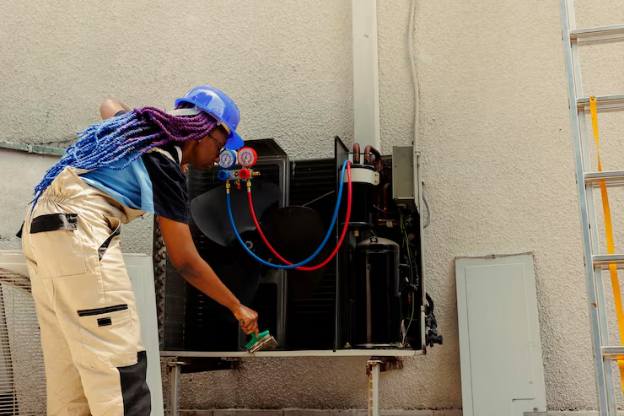
The inspection itself is rarely the problem. Someone books it, an assessor spends a couple of hours walking the building, and a PDF arrives by email a week later. The file goes into a folder that nobody opens again for five years. That gap is where the money quietly leaks out.
Who Is Legally Responsible for the Air Conditioning System
Ownership does not settle this question, which surprises people. The duty rests with whoever controls the system, and in a leased building, that could be the tenant, the managing agent, or the landlord, depending on how the lease was drafted. Plenty of people arranging a TM44 inspection in Nottingham discover halfway through the call that they were the responsible party all along. Read the lease before assuming somebody else has it covered.
What a TM44 Inspection Report Actually Tells You
A TM44 inspection produces far more than a certificate number for the file. The assessor records what the system is doing wrong, and the list is usually longer than owners expect:
- Units sized wrongly for the rooms they serve
- Controls left on manual with no timer or temperature limits
- Filters, coils and vents that have not been cleaned in years
- Heating and cooling fighting each other in the same space
Ignoring those recommendations is perfectly legal. Paying for them month after month on the electricity bill is the part nobody mentions.
Refrigerant Records That Assessors Look For
Air conditioning compliance rarely travels alone. An assessor walking through your plant room will often notice whether leak-check records exist, since the refrigerant charge in a system determines how often those checks are legally required. Missing logbooks are common. So are systems that were topped up repeatedly without anyone asking why the gas kept disappearing, which is a question worth asking sooner rather than later.
Older Units and a Falling Coefficient of Performance
Age does not stop a unit working. It stops working cheaply. The coefficient of performance drops steadily as compressors wear and heat exchangers foul, so a system installed around 2010 may still cool the room while drawing considerably more power to do so. Owners tend to notice the temperature. Almost nobody notices the meter reading.
Certificate Expiry and What Triggers a Check
Certificates are valid for five years, and the expiry date is on the document itself. Check yours now rather than during a lease renewal, a refinancing, or an insurance query, because those are the moments when someone else gets to set your timescale. Anyone due for a renewal can arrange a TM44 air conditioning inspection and have the certificate properly recorded before the deadline arrives.
