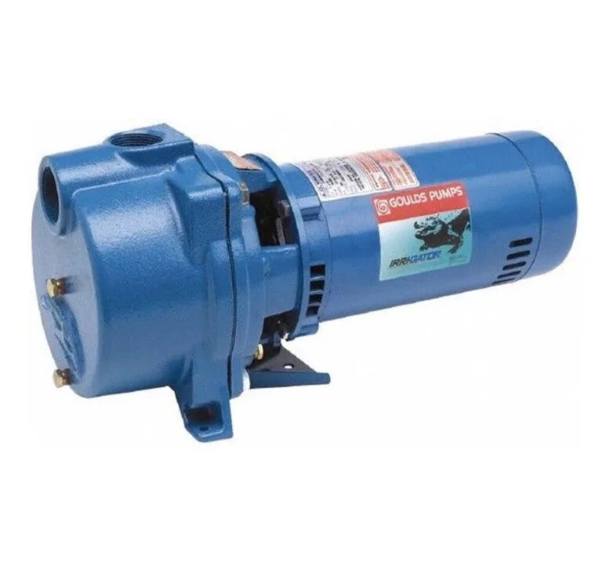
Showers that fade mid-rinse. A washing machine that stalls the kitchen tap. Rural households notice these things fast, though the cause sits out of sight, down the well or inside the tank. A jet pump with pressure tank setup that was never sized for the house will struggle, no matter how new the equipment looks.
Where Steady Pressure Quietly Breaks Down
Capacity against Daily Demand: Every home draws water in bursts. Two showers running at once, then the dishwasher joins in. A jet pump with a pressure tank works best when its rated output covers those peaks instead of the daily average. Undersized systems run hard and still leave the upstairs bathroom starved. That gap rarely shows up on a quiet Tuesday.
Pressure and Treatment Working Together: Weak supply undermines treatment gear. The best drinking water filter relies on steady incoming pressure to push water through its media at the rate the manufacturer intended. Starve it and flow drops, cartridges load unevenly, and the taste people wanted improved stays much the same. Pressure faults and water quality complaints usually arrive together.
Sizing Choices that Decide the Whole System
Matching Output to Fixture Count: Household demand runs in litres per minute, and the flow rate a pump delivers has to clear that figure with room spare. Count the fixtures likely to run together. Add outdoor use in summer. Most homes need more than the original installer assumed, especially after a renovation. Bathroom additions change the maths quickly.
Tank Volume and Motor Rest: Drawdown volume decides how long the motor stays off between cycles. A correctly matched jet pump with a pressure tank gives the motor genuine recovery time, cutting starts per hour and the heat that comes with them. Short cycling wears seals and bearings faster than steady running ever does. Homeowners hear that difference before they see it on a bill.
Settings, Water Quality and the Long Game
Well Depth and Seasonal Change: Suction lift limits what a shallow well pump can manage. When the water table drops through a dry August, a system running near its limit loses the little margin it had. Deep wells and seasonal wells call for different pump styles, not simply a bigger motor. That distinction gets missed more than it should.
Getting Filtration to Perform: Once pressure holds steady, treatment equipment finally does its job. The best drinking water filter for a rural home matches the water chemistry rather than the marketing copy, and it needs consistent pressure behind it to hold rated capacity. Test results should guide that choice. Iron and hardness each call for a different answer.
- Check pressure at the furthest tap, not the one closest to the tank
- Log how the system behaves during the morning rush
- Note any drop after a long dry spell
- Water testing comes before equipment shopping
- Frequent clicking from the pump means something is wrong
Steady Water from the First Tap to the Last
Sizing work is dull compared with buying new equipment, and it pays back far better. A quick assessment of well depth, fixture count and current pressure readings usually shows exactly where the mismatch sits. Book a system evaluation with a qualified water technician before the next dry season arrives. The tap will tell the story either way.
