Ponds rarely fail overnight. The foul smell emanates first, usually near the shallow end after a hot week. Then a green film spreads across still water, and fish start hanging near the surface at dawn. Those are oxygen problems, and pond aeration is the fix most owners reach for too late in the season.
Reading the Water Before It Turns
What Steady Oxygen Delivers: Consistent pond aeration keeps oxygen levels high enough for fish, plants and the bacteria that break down waste, and it delivers water movement that stops the still pockets where trouble starts. Owners who run a properly sized system see clearer water, calmer smells and healthier stock through the hottest weeks.
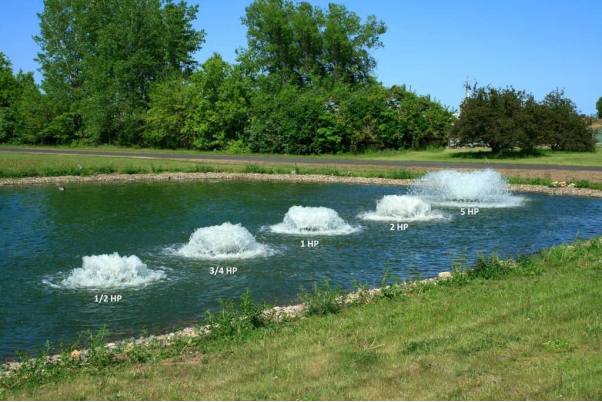
Surface Movement That Earns Its Keep: A well-chosen fountain for pond owners does double duty, lifting water into the air for oxygen exchange while giving the property a visible centerpiece. Spray patterns vary, and the right one moves serious volume rather than simply looking busy. That combination is what makes surface units worth their place on a medium or large pond.
What Moving Water Actually Fixes
Muck, Bacteria and the Bottom Layer: Organic sludge builds when leaves and waste settle faster than the pond can process them. Aerobic decomposition needs oxygen at the bottom, which a still pond simply does not supply. Circulation carries it down, feeds the microbes doing the work and slowly shrinks the sludge layer. Progress is gradual, not overnight.
Turnover Risk in Deep Water: Ponds deeper than a few feet separate into warm upper and cold lower zones each summer. The lower water column holds almost no oxygen until a storm mixes everything at once, and fish kills follow within hours. Steady circulation keeps those zones blended so the shock never arrives. Aerated ponds rarely turn over.
Sizing the System to the Water You Have
Depth, Shape and Surface Area: A shallow half-acre pond and a deep quarter-acre pond need different equipment, even though both look manageable from the bank. Pond aeration works when the system matches the water it serves. Long, narrow ponds and ones with irregular arms usually need more than one unit. Guessing here costs money twice.
What to Check Before Buying:
- Net flow rate, not the horsepower number printed on the box.
- Pond depth at its deepest point.
- Surface area and overall shape, including narrow arms that sit still.
- Power access and how far the cable has to run from shore.
- Whether the goal is appearance, water quality or both.
Flow Rate Tells the Real Story: Horsepower ratings sell units, but they say little about performance. Some low-cost models list one horsepower while the pump delivers a third of that in usable output. A fountain for pond aeration should be judged on gallons moved per hour, since that number drives oxygen exchange. Labels can flatter. Flow rates cannot.
Clear Water Starts with the Right Setup
Water quality problems compound quietly, then arrive all at once. Owners who size their equipment around depth, shape and real flow output spend less time fighting algae and more time enjoying the view. Compare systems by what they actually move, and talk to a specialist before ordering. The right choice shows up in the water within weeks.
