Electricity now runs almost everything inside a modern home, from heat pumps and water pumps to the router that keeps a household connected. That dependence changes how people think about their property. A North Bay hydro outage rarely lasts long, yet it leaves behind a question worth sitting with: what happens when supply stops?
When a Dark Evening Changes Household Priorities
Outages as a Planning Signal: Utility crews across the region respond quickly, and most interruptions end within hours. Still, each North Bay hydro outage reminds residents how much comfort depends on a single supply line reaching the property. Cold snaps make that reliance harder to ignore, particularly for families with young children at home during a winter evening.
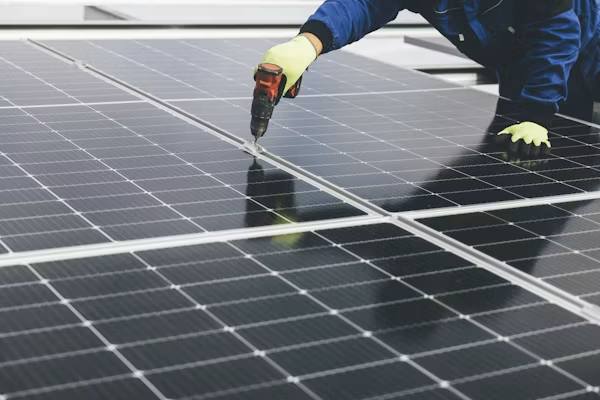
Renewable Generation on the Roof: Rooftop arrays produce electricity from daylight rather than fuel, which appeals to households watching both bills and emissions. Interest in Ontario solar has grown steadily as panel prices settled and installers gained experience. The appeal is not drama. It is a quiet, measurable generation that continues for twenty-five years or more on a well-sited roof.
Turning Daylight into Long Term Household Value
Seasonal Credits on the Bill: Summer production usually exceeds what a household consumes, and winter output falls away sharply. Provincial net metering rules let surplus electricity feed back into the distribution system, generating credits that carry forward and offset darker months. Most owners see benefits accumulate across a full billing year rather than a single month.
Backup Power and Real Resilience: A standard grid-tied array shuts down automatically when the lines go dead, which protects utility crews working on repairs. That surprises people. Adding storage or a transfer switch changes the picture, so a North Bay hydro outage need not leave a home without lights or heat. Planning for that early costs less than retrofitting later.
Building a System for Northern Winters
Storage Sized to Real Household Demand: Oversized equipment wastes money, and undersized equipment disappoints during the first cold week. Properly specified battery storage covers essential circuits such as the furnace fan, fridge and a few lights, rather than attempting to run an entire property at full load through the night. A site assessment settles the question faster than any online calculator.
Long Term Value for the Property: Roofs, panels and inverters age at different rates, so replacement timing matters when planning ahead. Households treating Ontario solar as a twenty-five year commitment tend to budget for one inverter replacement and periodic inspections. Perhaps the strongest argument here is simply predictability, along with protected resale value over a long ownership period.
Checks Worth Making before Signing:
- Roof age, because reshingling under a mounted array costs far more later
- Winter shading from trees and neighbouring rooflines, not just summer conditions
- Certification marks confirming equipment meets Canadian electrical safety standards
- Written connection approval from the local distributor before installation begins
Energy Planning Built for the Decades Ahead
Energy planning works best when it looks past the next storm season. Homeowners weighing renewable generation should request a site-specific assessment, compare certified equipment, and confirm connection requirements with the local distributor before committing. Speak with a qualified installer, ask hard questions about output estimates, and build a system sized for the decades ahead.
