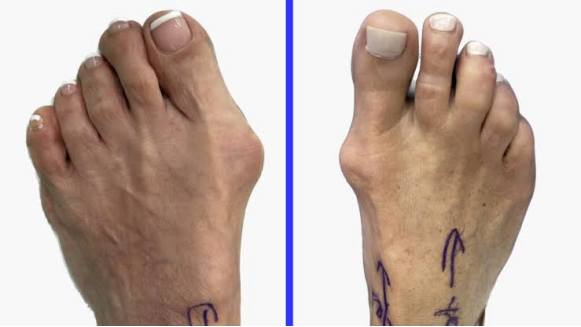
Foot pain may begin as a minor issue, but symptoms can become worse if the problem is ignored. Bunions are a common foot issue in which the big toe joint begins to shift. This misalignment can cause the big toe to move into an unnatural position.
Bunions can cause pain and swelling, become stiff, and may lead an individual to research bunion treatment Houston. Heel pain can also have several causes, including plantar fasciitis, tendon problems, and nerve issues in the foot.
When Foot Pain Needs Attention
Discomfort that starts to affect daily activities deserves attention. Walking or standing may become painful. Shoes that were once comfortable may also become difficult to wear.
Consult a health care professional about:
- Heel pain that persists
- Swelling and tenderness that gets worse over time
- Difficulty standing or walking
- Stiffness in the toes or foot
- Difficulty finding comfortable shoes
- Pain that does not improve with self-care
Bunions are not a rare condition. An analysis of a U.S. hallux valgus database in 2026 revealed that 13.6% of 127,990 participants over the age of 50 had undergone hallux valgus surgery. The database was nationwide and included a large number of American participants.
This does not mean that every person who develops a bunion needs surgery. Decisions about the best course of action depend on factors such as pain levels, mobility, and foot structure. Many patients can manage their symptoms without surgery. An evaluation can help determine the underlying cause of the pain rather than simply treating the symptoms.
Heel Pain Can Have Several Causes
While a sore heel may seem straightforward, several factors can cause pain in this part of the foot. Heel pain is commonly associated with overuse, irritation, or inflammation of the plantar fascia, but other conditions may also cause similar symptoms.
Using data collected from the U.S. National Health and Nutrition Examination Survey, a 2024 study looked at 4,957 participants. Researchers found that about 11.1% experienced plantar heel pain, with the highest rate of 14.5% among participants aged 50 to 65.
This makes persistent heel discomfort a reason to seek professional foot care. Individuals searching for heel pain Houston may need to look beyond the location of the pain to determine its possible cause.
What Treatment May Include
The severity of symptoms and the underlying cause help determine the type of treatment. Your specialist may begin with less invasive options and consider more advanced treatment if other methods do not provide enough relief.
Typical treatment options may include:
- Supportive insoles or shoes
- Padding, inserts, braces, or other devices
- Exercises for flexibility and strength
- Changes in activity level
- Medication when appropriate
- Surgery, when other treatments do not provide enough relief
The foot condition you have may need a different treatment from someone else’s condition. A treatment that helps one foot problem may not work for another.
Why an Evaluation Helps
A specialist reviews your symptoms, medical history, footwear, and overall activity level. They may also watch how you stand or walk. For bunions, imaging can show the position of the big toe and surrounding bones. For heel pain, an examination can help rule out other possible causes. A heel pain Houston doctor can also explain whether conservative care may be enough or whether you need more advanced treatment.
Conclusion
Foot pain can affect much more than your feet. It may change the way you walk, limit exercise and other activities, affect your work, and make footwear uncomfortable. Addressing symptoms early can help you understand the underlying cause and explore suitable treatment options. A foot examination can help you understand your symptoms and identify ways to stay active and comfortable.
