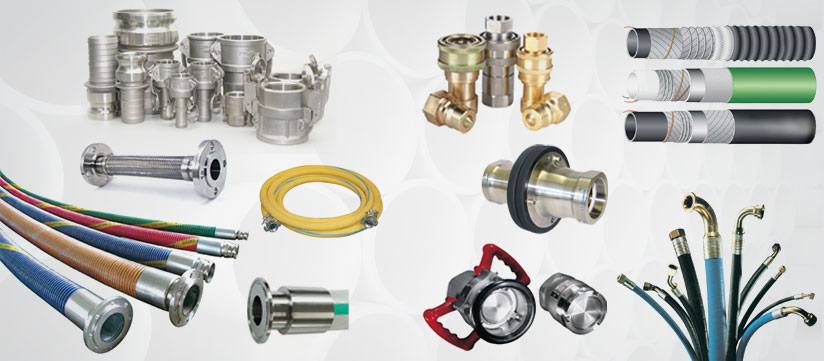
Plant operators rarely think about a single valve until it gives way. High-pressure lines move fluids and gases through systems that leave no room for error. As equipment needs grow more complex, the need for dependable parts is rising. CPV valves sit at the centre of that shift, holding pressure where simpler fittings begin to slip.
Where High-Pressure Systems Tend To Break First
Built To Hold Under Real Pressure: Pressure does not forgive weak components. When a seal fails inside a high-load system, the loss spreads fast and rarely stays contained. CPV valves are built to manage that strain, keeping flow steady even as conditions push hard against the internal seat. Operators get a part that holds its rating instead of fading early.
Clean Cuts Set The Stage For Tight Connections: Pressure integrity does not begin at the valve alone. It starts further back, where hose ends are prepared before assembly. A hose cutting machine trims each length to a clean, square edge so couplings seat properly and seals sit flush. A ragged cut leaves gaps, and gaps invite the slow leaks that wear systems down.
What Sets Tested Valves Apart Under Load
Proof Of Strength Before Service Begins: A valve rated on paper means little until it faces real load. This is where hydrostatic testing earns its place, pushing each unit past expected limits to confirm it will not crack or weep under stress. Parts that skip this step often fail in the field, and field failures cost far more than a rejected unit.
Holding The Line Through Repeated Cycles: Repeated pressure swings break down lesser fittings, sometimes within a single season. CPV valves handle these cycles without the gradual seat wear that turns a sealed system into a leaking one. For plants running around the clock, staying power matters. A valve that still holds at month twelve keeps the line predictable.
Picking Parts That Earn Their Keep
What To Weigh Before You Commit: Choosing a valve for a high-pressure line is not a quick call. The wrong pick shows up later as downtime, and downtime in a running plant is rarely cheap. Corrosion resistance ranks high on the list, since aggressive media eats through poor materials over time. A few practical points tend to guide the smarter decisions:
- Match the valve material to whatever actually runs through the line, never a generic catalogue figure
- Check the pressure rating with a real margin, since rated and field limits rarely match
- Watch how it seals after many cycles, not on day one
- Maintenance access matters more than buyers admit
- Will the spare parts still exist in five years?
Preparation Decides The Outcome: Good components still underperform when paired with sloppy assembly work. A hose cutting machine removes that risk by squaring every cut and keeping hose lengths consistent across a build. Clean surfaces upstream mean valves and couplings meet a proper seat, and that seat holds pressure longer. Skip that care, and a strong valve inherits a weak joint.
Paperwork That Backs The Build: Documentation matters too, though it often gets overlooked. Test certificates and material records give engineers proof that a component meets the standard it claims. When an audit lands or an insurer asks questions, that paperwork answers fast. Buying on price alone, with no record behind the part, tends to cost more when something fails.
Running Safer Lines For Years To Come
Strong fluid handling comes down to choices made early and parts that hold their promise under load. Cutting corners on valves or hose preparation rarely saves money once failures start. Plants that plan for pressure rather than react to it run safer and waste less. Review your high-pressure setup and replace the components that have started to give way.
Featured Image Source: https://www.jreltd.com/images/bannerImg/banner2.jpg
